


Magnetic Grades

Ferrite Magnets
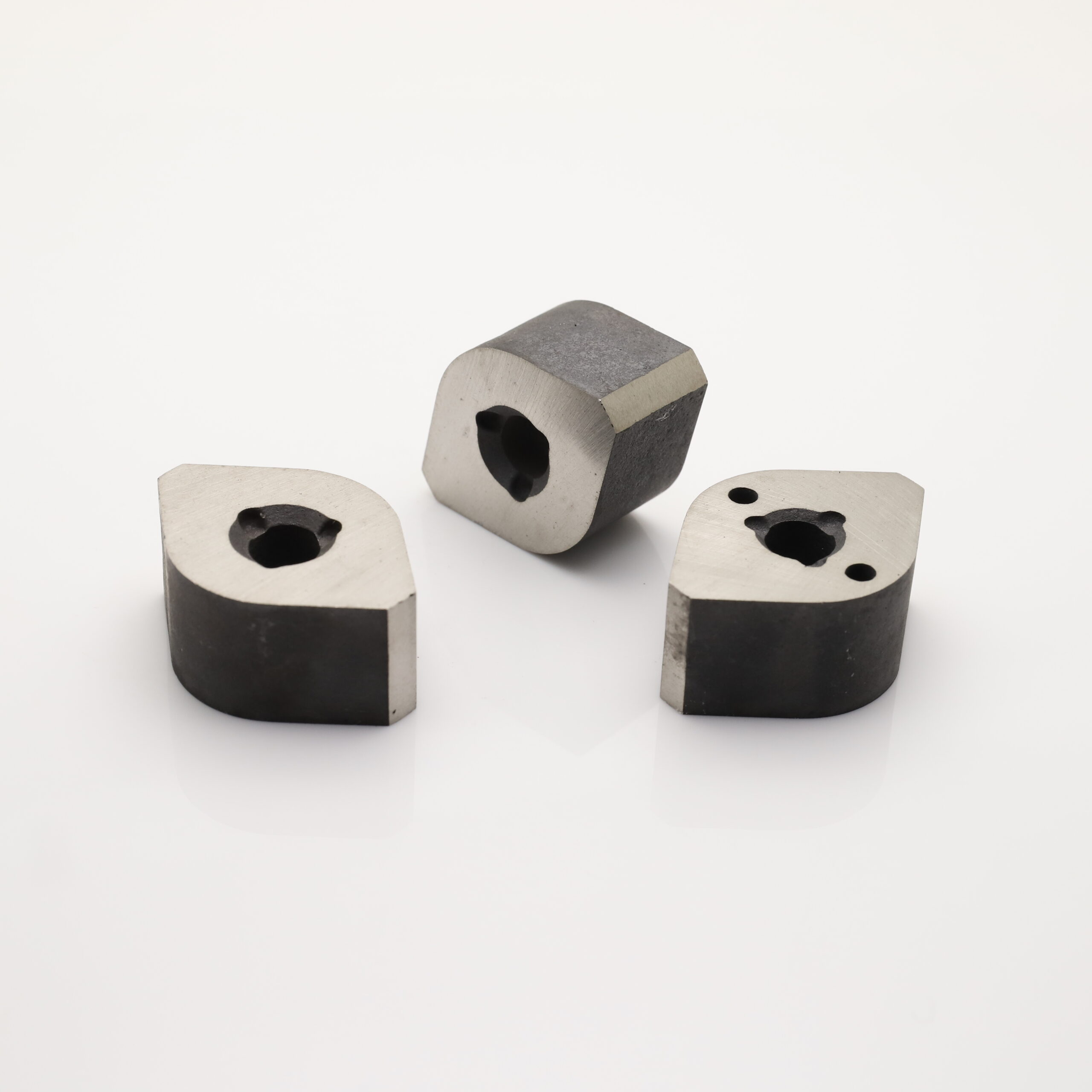
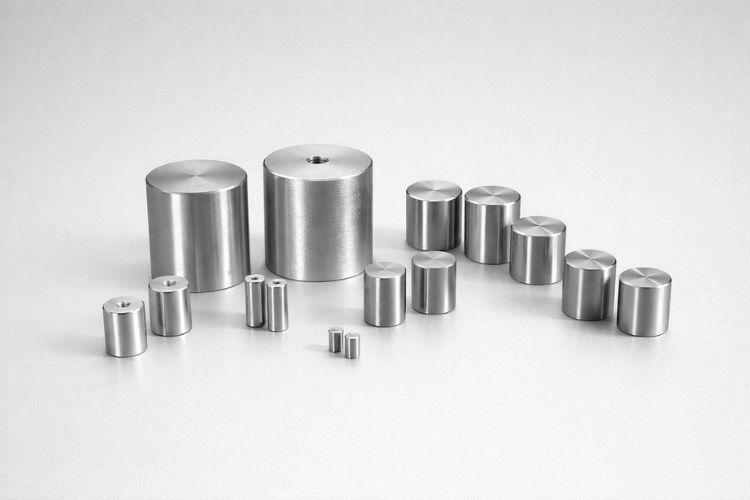
Ferrite magnets (also known as ceramic magnets) are a reliable, cost-effective choice for applications where stable magnetic performance and corrosion resistance matter more than maximum magnetic strength. Widely used across motors, sensors, fixtures and general industrial assemblies, ferrite magnets offer predictable performance in demanding production environments.
GUK Magnetics supplies ferrite magnets across a wide range of grades, shapes, and dimensions – supporting both defined production specifications and applications where cost, geometry, or operating conditions need careful consideration.


Wide Range of Grades & Dimensions
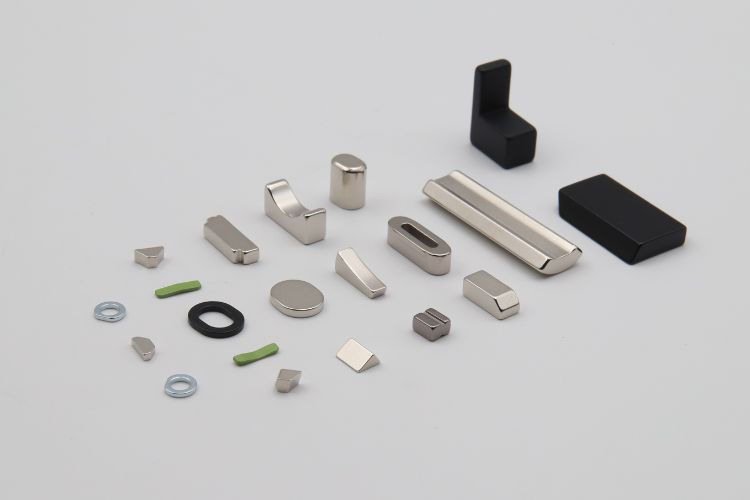
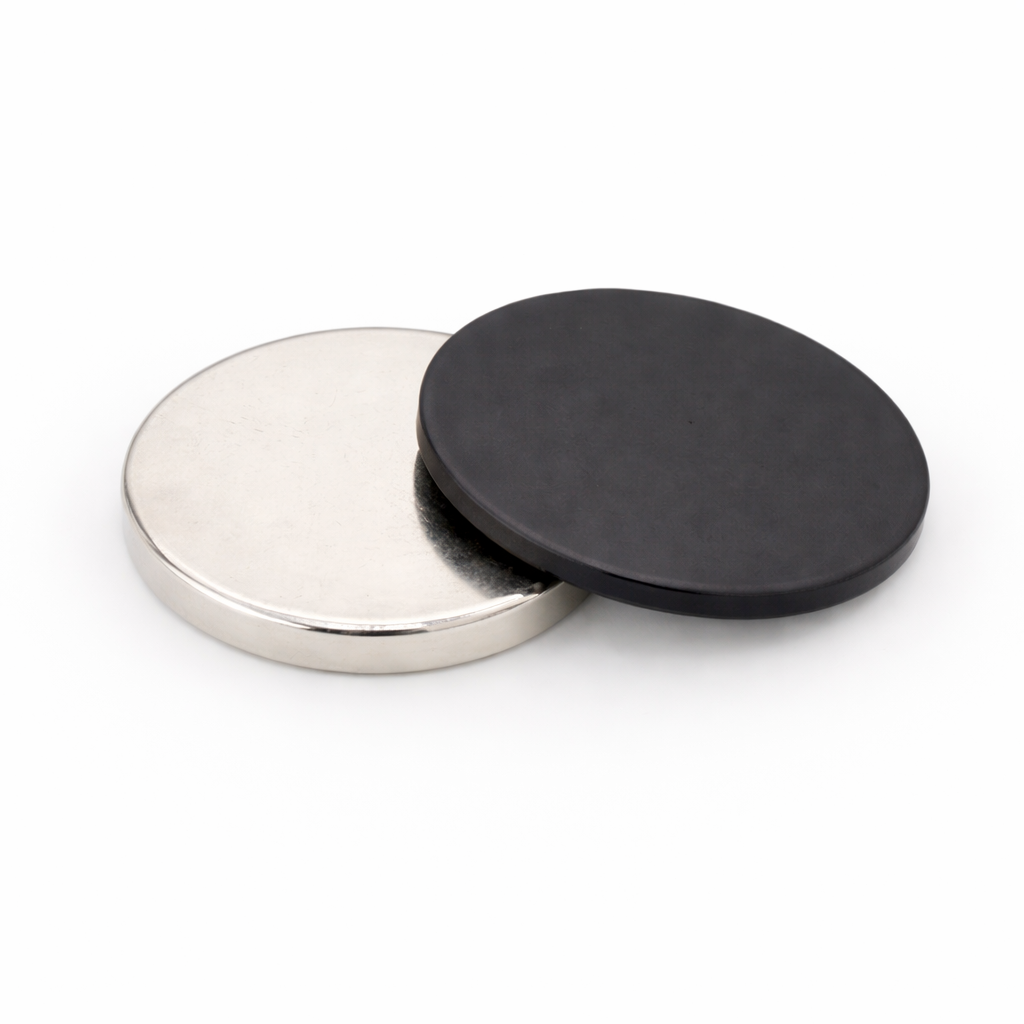
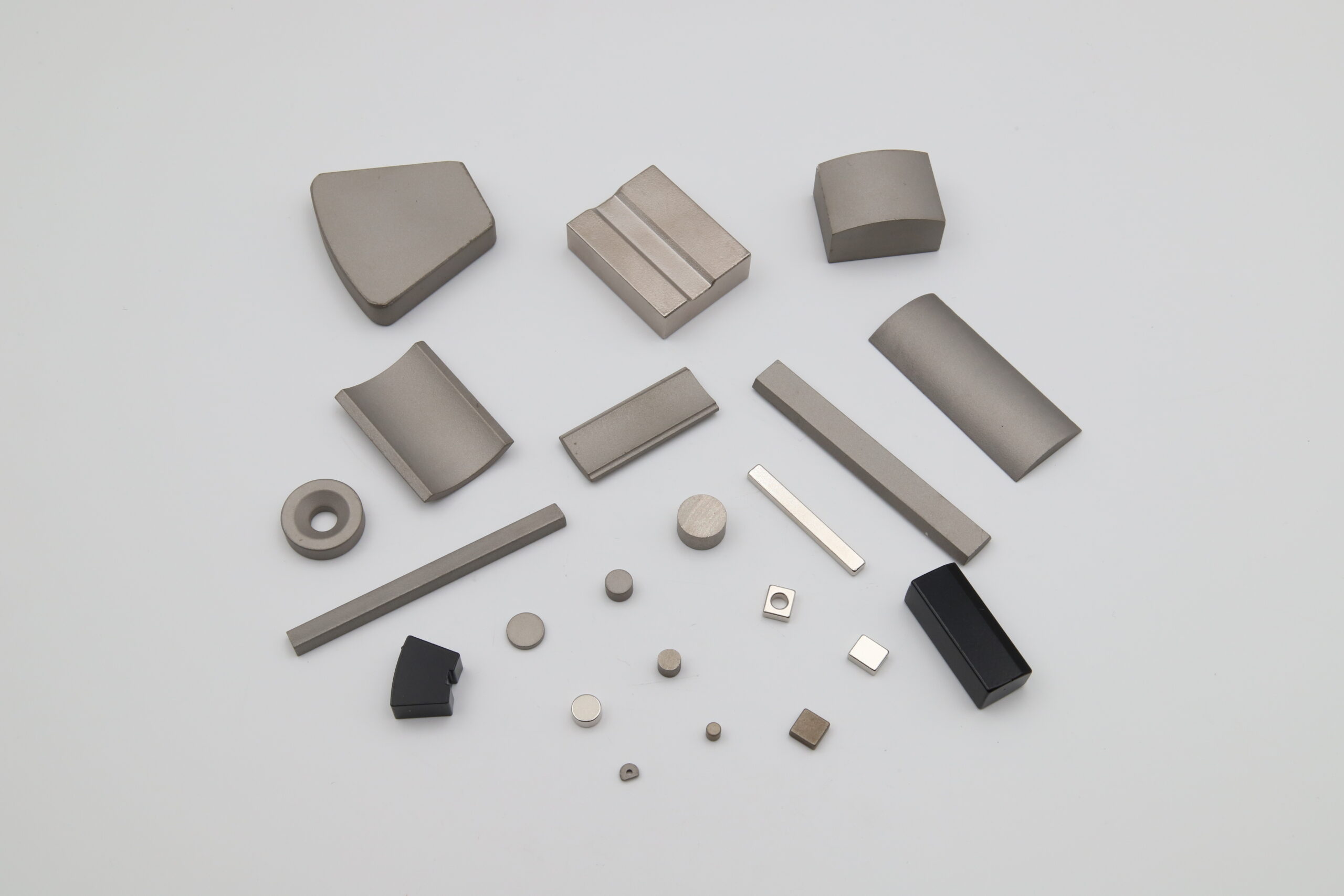
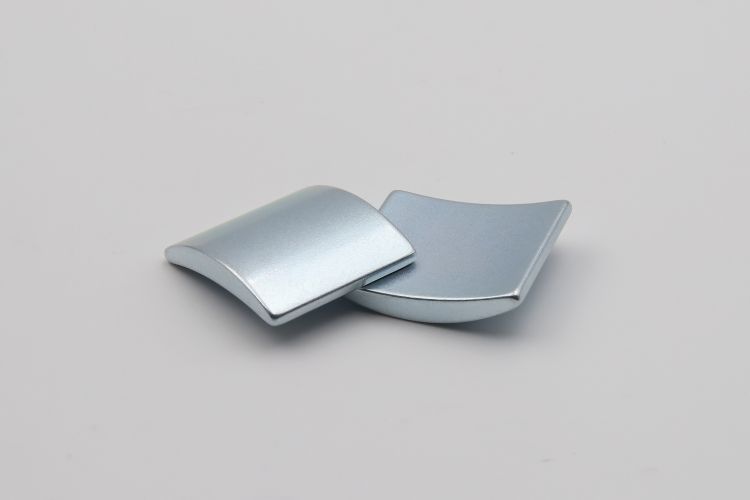
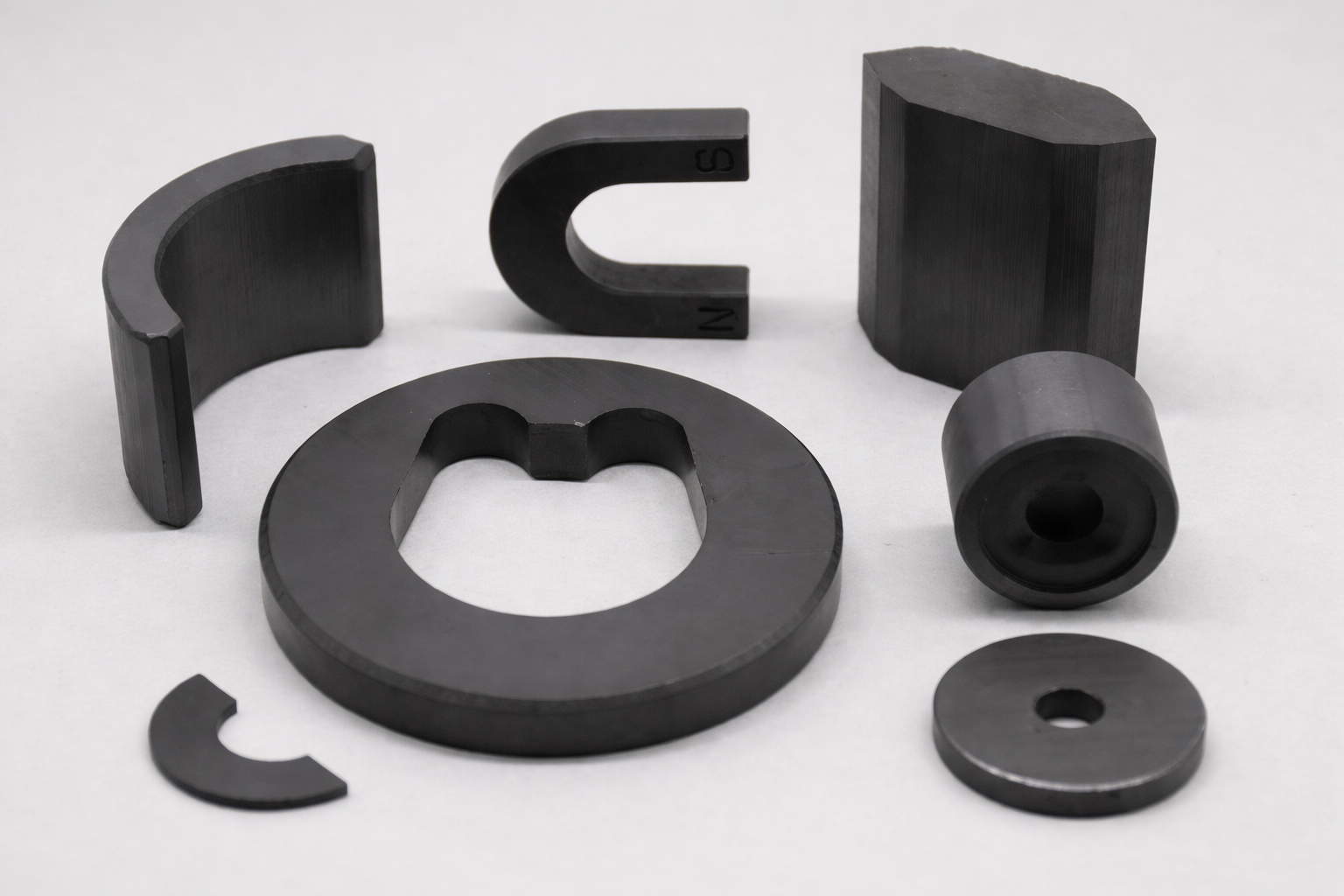
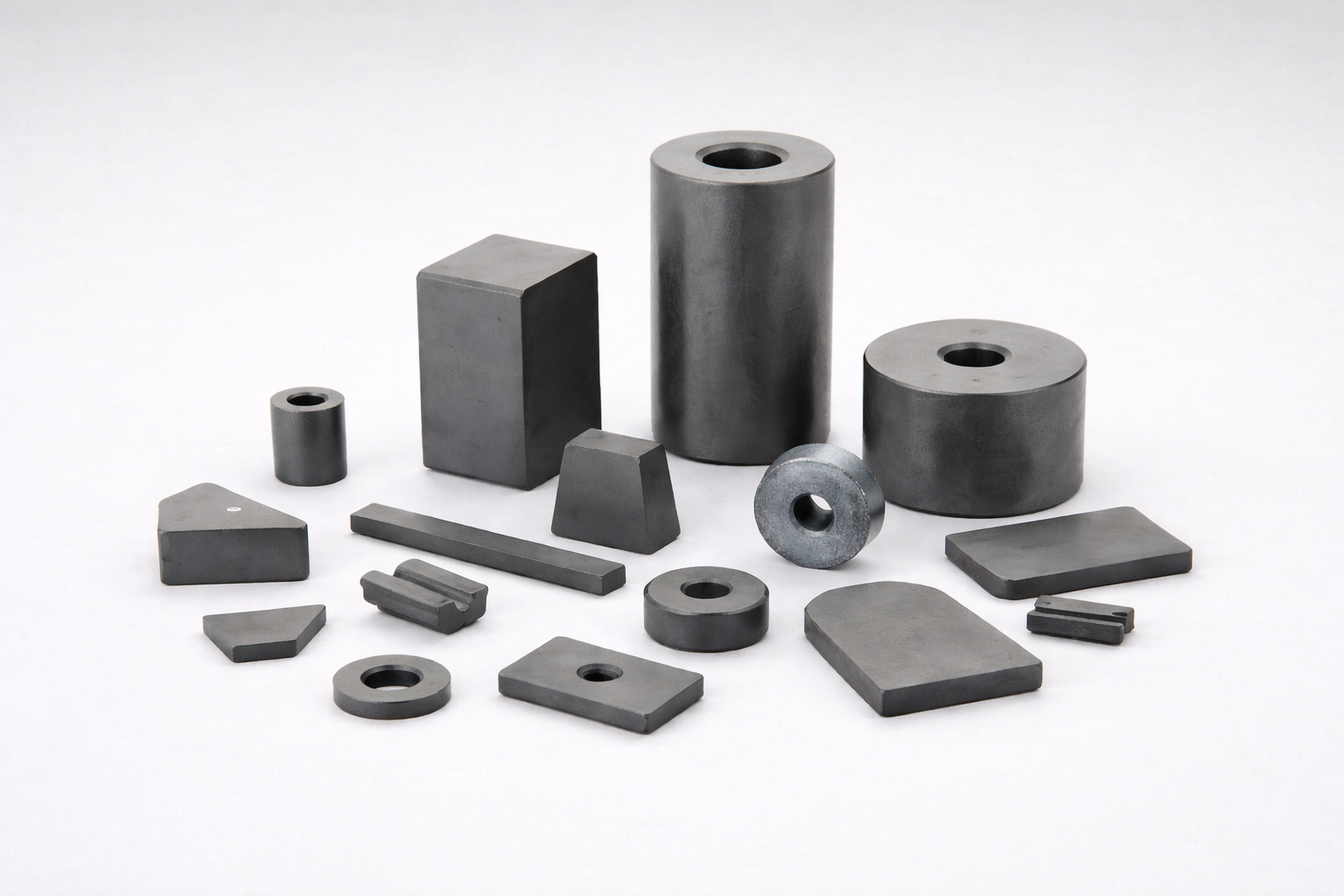
We supply ferrite magnets in common grades such as Y30, Y33, Y35, and Y40, across blocks, discs, rings, segments, and custom geometries - supporting both standard formats and application-specific designs.

ISO 9001 CERTIFIED
All Ferrite magnets are supplied to controlled specifications and manufactured using approved processes, ensuring consistent quality and repeatable performance across production and repeat orders.

PRACTICAL TECHNICAL SUPPORT
Our experts provide straightforward technical input on grade selection, magnetisation direction, tolerances, and coatings, ensuring the magnet supplied performs as intended in service.

Cost-Effective for Production Volumes
Ferrite magnets are often chosen for high-volume and cost-sensitive applications, offering excellent value where space constraints are less critical than with rare-earth materials.

Custom magnet configurations
Where standard formats aren’t suitable, we support custom dimensions, magnetisation patterns, and assemblies - supplying magnets tailored to your specific application and installation requirements.

Reliable delivery & supply
We focus on realistic lead times, clear delivery expectations, and repeatable supply - helping customers plan with confidence and avoid unexpected disruption.
Ferrite Magnetic Grades
| A | B | C | D | E | F | G | H | I | J | K | |
|---|---|---|---|---|---|---|---|---|---|---|---|
| Grade | Equivalent | Remanence | Coercivity | Max Energy Product | Max Working Temp. | ||||||
| Br | Hcb | Hcj | (BH)max | Twmax | |||||||
| mT | KGs | kA/m | kOe | KA/m | kOe | kj/m³ | MGOe | °C | |||
| XM10T | Y10T | 200-235 | 2.0-2.35 | 128-160 | 1.61-2.01 | 210-280 | 2.64-3.52 | 6.4-9.6 | 0.8-1.2 | 250 | |
| XM25 | Y25 | 360-400 | 3.6-4.0 | 135-170 | 1.70-2.14 | 140-200 | 1.76-2.51 | 22.5-28.0 | 2.8-3.5 | ||
| XM30BH | Y30BH | 380-400 | 3.8-4.0 | 223-235 | 2.80-2.95 | 231-245 | 2.90-3.08 | 27.0-30.0 | 3.4-3.8 | ||
| XM20H-1 | Y30h-1 | 380-400 | 3.8-4.0 | 230-275 | 2.89-3.46 | 235-290 | 2.95-3.64 | 27.0-32.5 | 3.4-4.1 | ||
| XM30H-2 | Y30H-2 | 395-415 | 3.95-4.15 | 275-300 | 3.46-3.77 | 310-335 | 3.90-4.21 | 27.0-32.0 | 3.4-4.0 | ||
| XM33 | Y33 | 410-430 | 4.1-4.3 | 220-250 | 2.76-3.14 | 225-255 | 2.83-3.20 | 31.5-35.0 | 4.0-4.4 | ||
| XM33H | Y33H | 410-430 | 4.1-4.3 | 250-270 | 3.14-3.39 | 250-275 | 3.14-3.46 | 31.5-35.0 | 4.0-4.4 | ||
| XM35 | Y35 | 400-440 | 4.0-4.4 | 176-224 | 2.22-2.8 | 180-230 | 2.26-2.89 | 30.3-33.4 | 3.8-4.2 | ||
| XM4350 | 420-440 | 4.2-4.4 | 294-326 | 3.7-4.1 | 386-410 | 4.85-5.15 | 33.4-36.6 | 4.2-4.6 | |||
| XM4545 | 440-460 | 4.4-4.6 | 318-350 | 4.0-4.4 | 347-370 | 4.35-4.65 | 36.6-39.8 | 4.6-5.0 | |||
| XM4636 | 450-470 | 4.5-4.7 | 255-279 | 3.2-3.5 | 275-299 | 3.45-3.75 | 38.3-41.5 | 4.8-5.2 | |||
| XM4654 | TDK FB12H | 450-470 | 4.5-4.7 | 330-360 | 4.15-4.45 | 415-445 | 5.25-5.55 | 39.8-43.0 | 5.0-5.4 | ||
| XM4748 | TDK FB12B | 460-480 | 4.6-4.8 | 328-352 | 4.15-4.4 | 368-392 | 4.65-4.95 | 41.5-44.7 | 5.2-5.6 | ||
Ferrite Magnets: Key Design & Application Considerations
Ferrite magnets have relatively low magnetic properties compared to other permanent magnet materials, but offer a strong energy-product-to-cost ratio. As a ceramic material, ferrite does not rust, making it an excellent choice around water or corrosive environments. It is typically used uncoated in applications where space constraints are less critical and stable performance is sufficient.
Ferrite magnets perform poorly under temperature extremes and, due to their sintered ceramic structure, are mechanically brittle. Where higher performance, compact geometry, or elevated temperature stability are critical, rare-earth materials are generally more appropriate.
FAQs
Our dedicated team is always ready to assist you with any additional questions or requirements you may have.
Contact Us